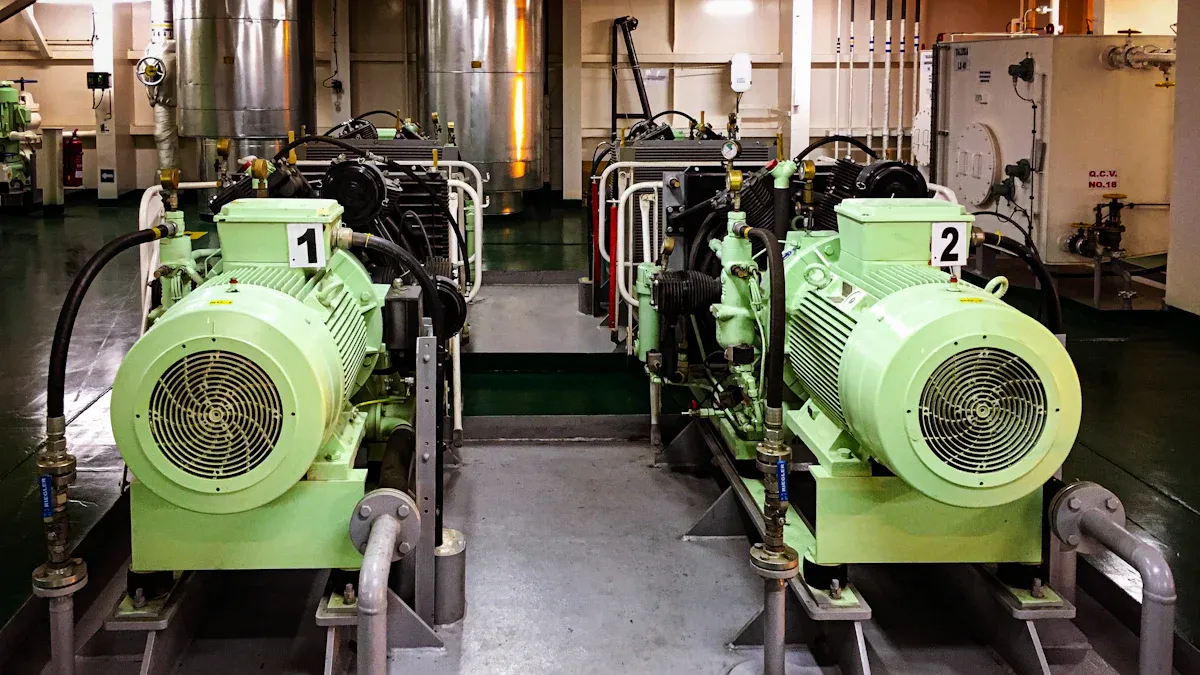
Thinking about Used Second-hand Generators? You might find some great deals, but there are a few things to keep in mind.
New generators lose value quickly, but used ones from trusted brands like Cummins can keep 60–70% of their value over time.
You pay less up front, but sometimes maintenance costs go up.
Brand and service history matter for resale and long-term savings.
Take a look at this table to see how many types and brands you can choose from:
Generator Types | Popular Brands | Main Uses |
|---|---|---|
Diesel, Gas, Hybrid | Caterpillar, Kohler, Generac, Cummins, Mitsubishi | Homes, offices, factories, telecom, off-grid |
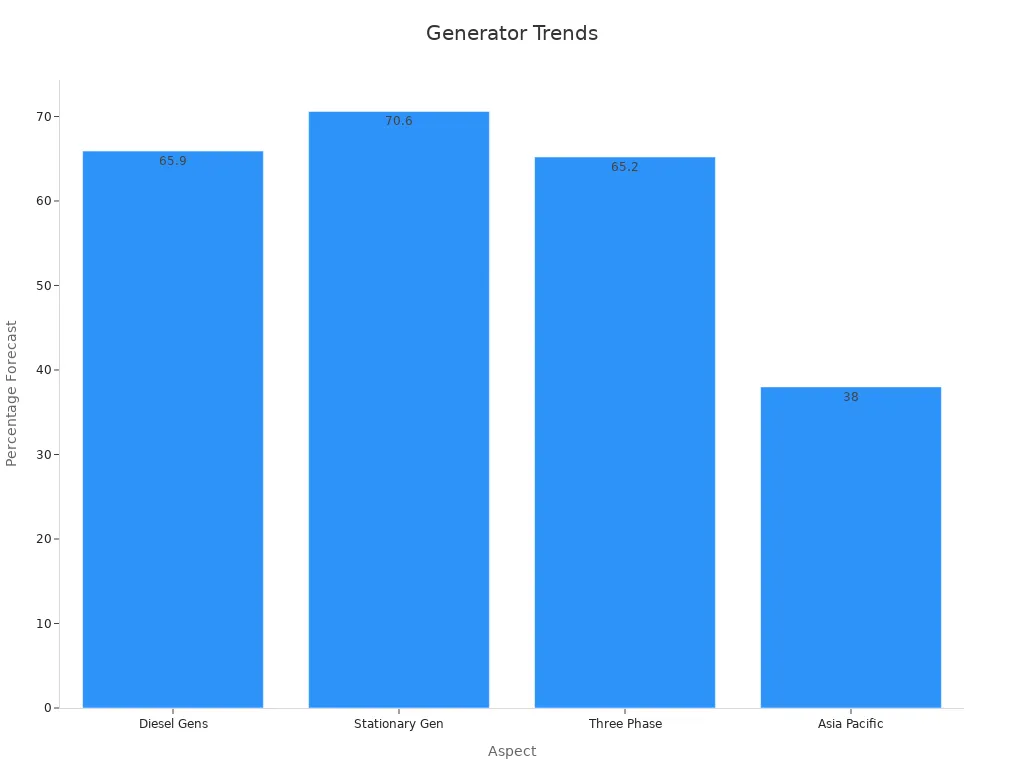
You should always match the generator to your power needs and budget. If you want to save money and help the environment, used options might be a smart move.
Key Takeaways
Used second-hand generators save you money upfront and often provide reliable power from trusted brands.
Buying used helps the environment by reducing waste and lowering emissions from making new generators.
Always inspect the generator carefully and ask for full service records to avoid hidden problems.
Check the generator’s hours and age to estimate how long it will last before needing repairs.
Buy from trusted dealers or sellers, test the generator before purchase, and consider expert advice for peace of mind.
Benefits
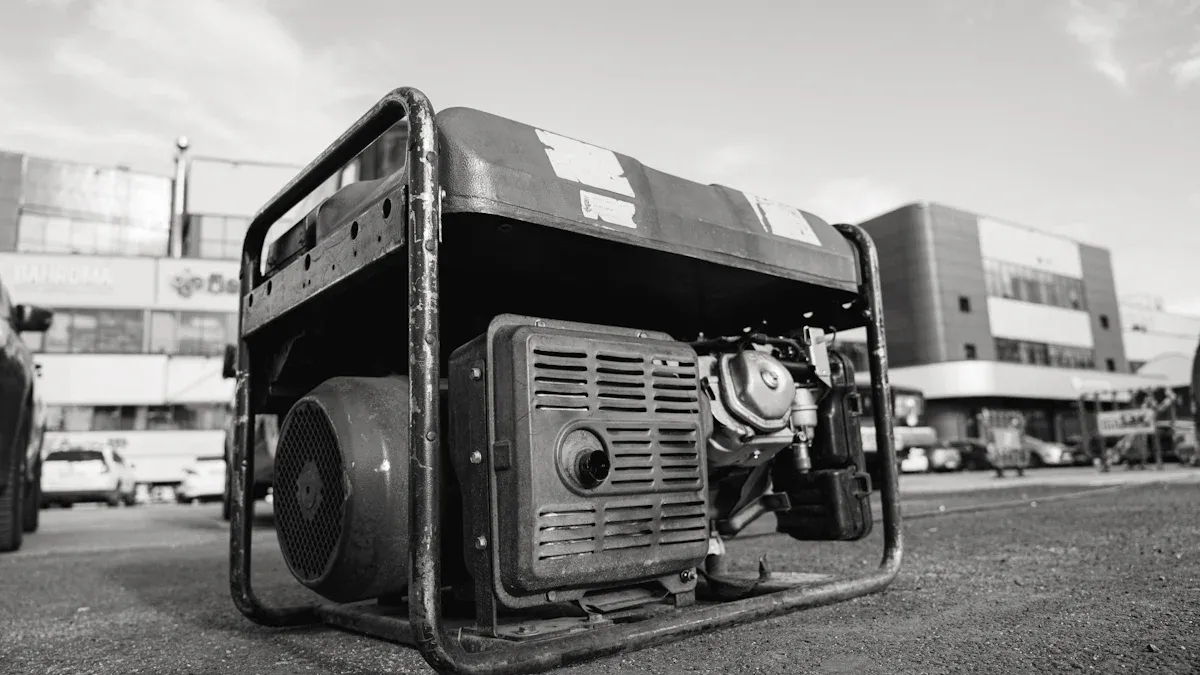
Cost Savings
You can save a lot of money when you choose Used Second-hand Generators. New generators often cost thousands of dollars more than used ones. If you pick a trusted brand like Generac, Kohler, or Cummins, you get solid performance without paying full price. Many people find that used portable, diesel, or gas generators work just as well as new ones for home backup, job sites, or even small businesses. You might even find a lightly used model that still has plenty of life left. This means you can stretch your budget further and maybe even afford a bigger or more powerful unit.
Fast Availability
Need power right away? Used Second-hand Generators are usually ready to go. New generators often take 6 to 8 weeks to arrive because they have to be built and shipped from the factory. Used models are already built and waiting for you. In many cases, you can get one delivered in just a few days. This quick turnaround is a huge help if you face an emergency or need backup power fast. You do not have to wait and worry about long delays.
Environmental Impact
Buying a used generator helps the planet. When you reuse a generator, you keep it out of the landfill and avoid the need to make a new one. This saves tons of raw materials like copper, steel, and aluminum. It also cuts down on the energy and water needed for manufacturing. Making a new diesel generator can create hundreds of kilograms of CO₂. By choosing a used model, you help lower greenhouse gas emissions and reduce waste. Groups like the Ellen MacArthur Foundation say that reusing and recycling equipment could cut global emissions by billions of tonnes by 2050. Every time you pick used, you support a cleaner, greener world.
Risks
Hidden Issues
When you look at Used Second-hand Generators, you might not see every problem right away. Some issues hide inside the engine or wiring. Maybe the generator starts fine, but it could have worn-out parts or leaks. Sometimes, sellers do not share the full repair history. You could end up with a generator that needs expensive fixes soon after you buy it.
Tip: Always ask for a full maintenance record. If the seller cannot show you one, that is a red flag.
You should also check for rust, oil stains, or strange noises. These signs can mean trouble. If you do not feel sure, bring a friend who knows about engines or hire a technician to inspect it.
Warranty Concerns
Most Used Second-hand Generators do not come with a warranty. If something breaks, you pay for repairs. New generators usually have a warranty that covers parts and labor for a few years. With used models, you take on more risk. Some dealers offer short-term warranties, but private sellers almost never do.
No warranty means you need to budget for possible repairs.
If you want peace of mind, ask if any warranty remains or if you can buy extra coverage.
Lifespan
Used Second-hand Generators have already worked for some time. They may not last as long as new ones. The number of hours on the generator tells you how much life it has left. A generator with high hours might need big repairs soon.
Note: Always check the age and hours of use. Fewer hours usually mean a longer life.
If you want a generator that lasts many years, you might want to spend more on a newer model. But if you only need backup power for a short time, a used one could work well.
What to Look For
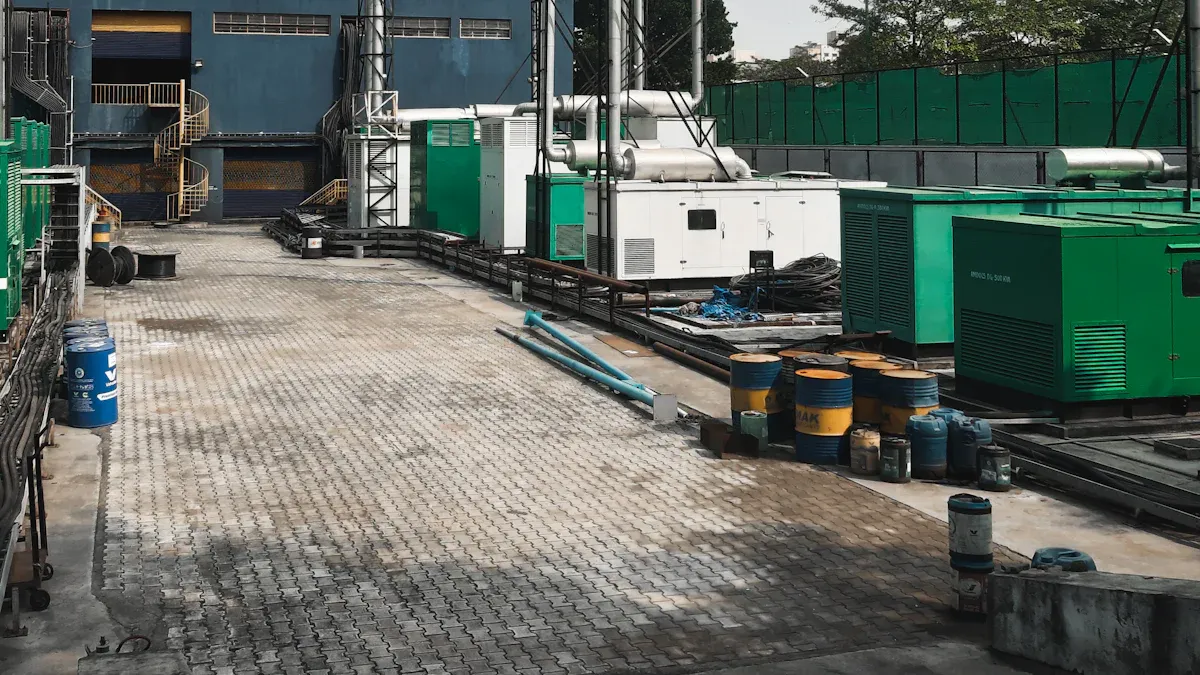
When you shop for Used Second-hand Generators, you want to make sure you get a good one. Not all used generators are the same. Some run like new, while others have hidden problems. Here’s how you can spot the difference.
Inspection Checklist
Before you buy, take time to check the generator carefully. A good inspection helps you avoid costly surprises. Here’s a checklist you can use:
Look at the make, model, and serial number. Make sure they match the seller’s paperwork.
Check the power output rating. Does it meet your needs?
Find out the fuel type: gasoline, diesel, propane, natural gas, or dual fuel.
Walk around the generator. Look for dents, rust, or leaks on the housing and frame.
Inspect the vents, wheels, and guards. They should be clean and not broken.
Open the hood. Check oil and coolant levels. Look at the radiator and see if it’s clean.
Examine the fuel system. Look at the fuel lines, cap, and filter. Make sure there are no cracks or leaks.
Test the battery. Check the terminals for corrosion and make sure the wires are tight.
Look at the control panel. Try the start/stop buttons, gauges, and warning lights.
Check the outlets and circuit breakers. Make sure they work and are not damaged.
Inspect the exhaust system. Look for leaks, rust, or too much smoke.
Make sure safety items are there: fire extinguisher, safety decals, and operator manual.
Start the generator if you can. Listen for odd noises or vibrations. Watch the voltage and frequency output.
Ask for maintenance logs and any service records.
Tip: If you don’t feel confident, bring someone who knows about engines or hire a technician to help you.
Industry standards like NFPA 110 and UL 142 recommend these steps to make sure the generator is safe and ready to use.
Hours and Age
The number of hours a generator has run tells you a lot about its life left. Think of it like miles on a car. Fewer hours usually mean less wear and more years of use. Most home generators last 10,000 to 30,000 hours if they get regular care. Ask the seller for the hour meter reading. If the generator is old but has low hours, it might still be a good buy.
Under 1,000 hours: Like new, great for long-term use.
1,000–5,000 hours: Good for backup or short-term needs.
Over 5,000 hours: May need repairs soon, so check carefully.
Also, look at the year it was made. Newer models often have better features and improved safety. If you need a generator for many years, pick one that is not too old and has low hours.
Brand and Model
Some brands are known for lasting longer and needing fewer repairs. When you look at Used Second-hand Generators, pay attention to the brand and model. Here’s a quick guide to help you compare:
Brand | Reliability Rating | Market Share (%) | Warranty (Years) | Key Reliability Insights |
|---|---|---|---|---|
Generac | 4.7/5 | 70 | 5-10 (model dependent) | Largest market share; strong dealer network; reliable but higher price for advanced models |
Kohler | 4.9/5 | 10 | 5 standard, up to 10 extended | Highest reliability; 99.2% uptime; commercial-grade build |
Briggs & Stratton | 4.5/5 | 8 | 5 standard | Best value for money; good power management; affordable |
Cummins | 4.8/5 | 7 | 5 standard, 10 extended | Great for cold weather; tough and low-maintenance; premium price |
Champion | 4.2/5 | 5 | 10 limited | Budget-friendly; decent reliability; long warranty |
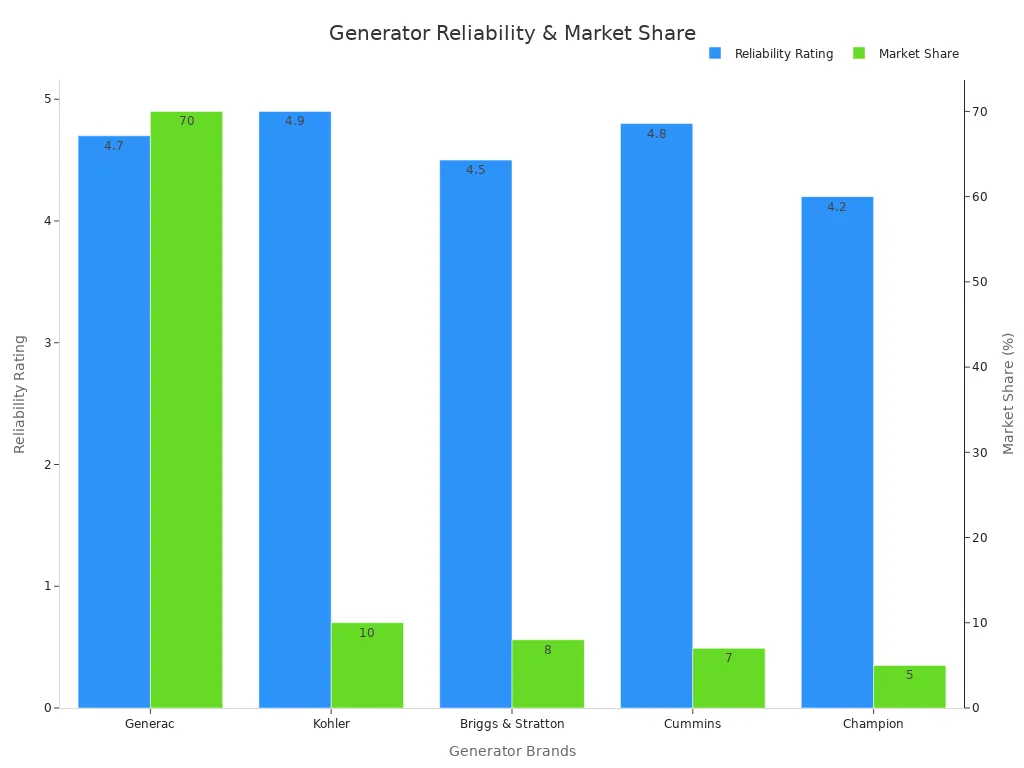
Kohler and Cummins need fewer repairs over time. Generac is the most popular and trusted, especially for portable models. If you want fewer headaches, stick with a well-known brand.
Service Records
Always ask for service records before you buy. These records show how well the generator was cared for. Look for regular oil changes, filter replacements, and any repairs. A generator with a full service history is less likely to break down. If the seller cannot show you maintenance logs, be careful. Missing records can mean skipped care or hidden problems.
Note: A well-documented generator is almost always a safer bet.
If you follow these steps, you can find a Used Second-hand Generator that fits your needs and gives you peace of mind.
Where to Buy
When you decide to shop for a generator, you have a few good places to look. Each option has its own pros and cons. Let’s break them down so you can find the best fit for your needs.
Dealers
Dealers give you peace of mind. They often check and service their generators before selling them. You can ask questions and get clear answers. Many dealers offer short-term warranties or return policies. You also get help with paperwork, which makes the process simple. If you want less risk, start with a trusted dealer in your area.
Online Marketplaces
You can find many generators on websites like eBay, Facebook Marketplace, Machinery Pete, and Equipment Trader. These sites let you compare prices and models quickly. Some sellers post lots of photos and details. You might even spot a great deal from a government auction. Always read the full description and check the seller’s ratings. Ask for extra pictures or a video if you feel unsure.
Tip: Use secure payment methods and never send money before you see the generator in person.
Local Sellers
Sometimes, the best deals come from people nearby. Check local ads, community boards, or word of mouth. You can see the generator up close and test it before you buy. Meeting face-to-face helps you ask questions and spot any problems. Bring a friend or a mechanic if you want a second opinion.
Red Flags
Watch out for warning signs. If a price seems too low, it could be a scam. Sellers who rush you or avoid questions may hide something. Missing paperwork or unclear service records are big red flags. Trust your gut. If something feels off, walk away.
Note: Always get a bill of sale and keep a copy for your records.
Used Second-hand Generators: Smart Buying Tips
Negotiation
You do not have to accept the first price you see. Most sellers expect you to negotiate. Start by researching the average price for the generator’s brand, age, and hours. Bring this information with you. Point out any wear, missing service records, or needed repairs. These details can help you lower the price. Stay polite and friendly. Sometimes, offering cash or agreeing to pick up the generator yourself can get you a better deal. If the seller will not budge, do not be afraid to walk away. There are always other options out there.
Testing
Never skip the testing step. You want to know the generator works well before you buy it. Experts trust the ISO 8528 series as the gold standard for testing generators. Here are some important checks you can do:
Load acceptance: See how fast the generator handles changes in power demand.
Transient response: Watch how steady the voltage and frequency stay when loads change suddenly.
Mechanical vibration: Listen and feel for any shaking or rattling that could mean trouble.
Power output: Use a meter to check if the generator gives the right amount of electricity.
Fuel consumption: Measure how much fuel it uses during a test run.
Noise level: Stand nearby and check if the sound is too loud for your needs.
If a generator passes these tests, you can feel more confident about its reliability. Ask the seller if the generator has any ISO 8528 certification or test results. This shows the unit meets high standards.
Tip: Bring a small appliance or tool to plug in during your test. This helps you see real-world performance.
Expert Advice
Sometimes, you need a second opinion. If you do not know much about engines or electrical systems, ask a technician or electrician to check the generator for you. They can spot problems you might miss. You can also call the manufacturer’s support line with the serial number to ask about recalls or known issues. Matching the generator’s power output and fuel type to your needs is key. Make a list of what you want to run and add up the total wattage. This helps you pick the right size and avoid buying too much or too little power.
Note: A little expert help now can save you a lot of money and stress later.
You have seen the ups and downs of Used Second-hand Generators. You save money and help the planet, but you might face hidden problems or a shorter lifespan. If you want quick power and have a tight budget, a used generator can work well. If you need long-term peace of mind, you might want to buy new. Use the checklists and tips above to make a smart choice.
FAQ
How do you know if a used generator is reliable?
Check the service records and hours of use. Ask the seller to start it up. Listen for strange noises. If you feel unsure, bring a technician. Reliable brands like Generac or Cummins often last longer.
Can you use a used generator for your whole house?
Yes, you can. Make sure the generator has enough power for all your appliances. Add up the wattage you need. If you have questions, ask an electrician for help.
What fuel type should you choose for a used generator?
Pick a fuel type that’s easy for you to get. Diesel and gas are common. Propane and natural gas work well too. Think about what’s available in your area and what you feel comfortable using.
Is it safe to buy a used generator online?
It can be safe if you follow smart steps. Always meet the seller in person. Test the generator before you pay. Use secure payment methods. Watch out for deals that seem too good to be true.
How often should you service a used generator?
You should service your generator after every 100 to 200 hours of use. Change the oil, check the filters, and inspect for leaks. Regular care helps your generator last longer and work better.
 English
  Portuguese (Portugal)
  Russian
  Arabic
  Portuguese (Brazil)
  Vietnamese
  Spanish
  Estonian
  Bulgarian
  Italian
  Indonesian
  French
  Turkish