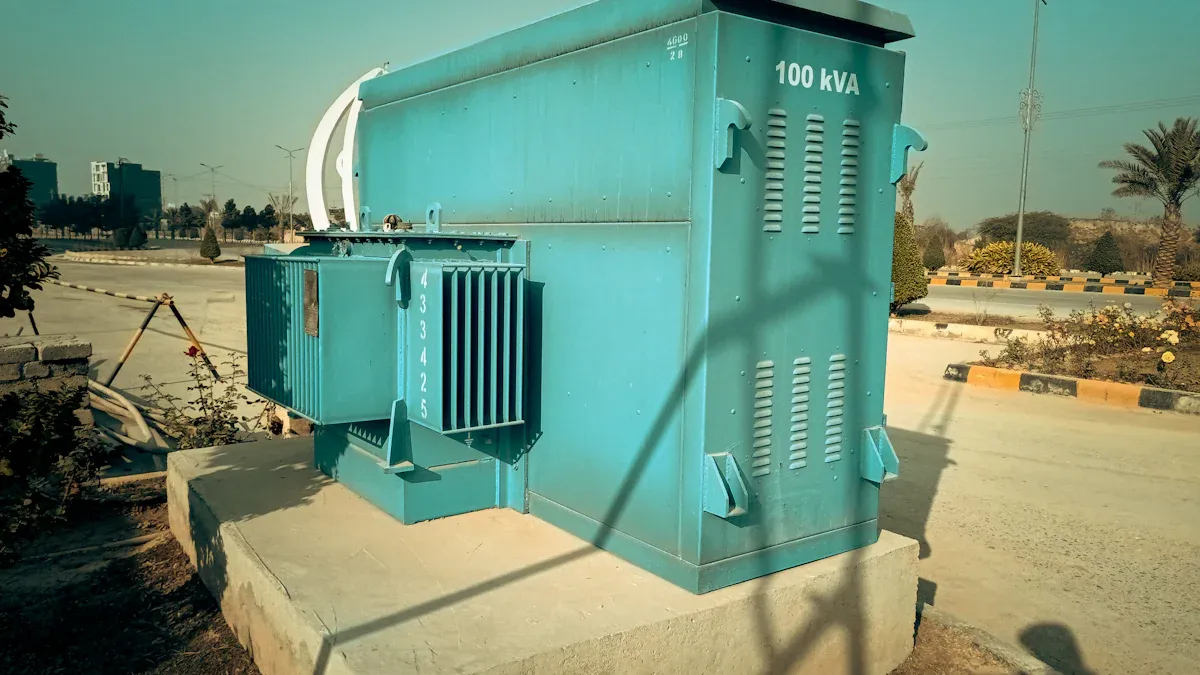
When you consider purchasing a Used Doosan Series Diesel Generator Set, you face several critical choices. Careful evaluation protects your investment and ensures reliable power when you need it most. Industry reports show that fuel efficiency, regulatory compliance, and supplier credibility all impact long-term performance and cost. Many market studies confirm the value of thorough inspections, performance tests, and clear service records. Taking these steps helps you avoid unexpected failures and costly repairs.
Key Takeaways
Check the supplier’s reputation, experience, and trustworthiness to ensure you buy from a reliable source with good support and honest policies.
Review complete service and repair records to understand the generator’s maintenance history and avoid unexpected breakdowns.
Inspect the generator’s age, hours, and physical condition carefully to spot wear, leaks, or damage that affect performance and costs.
Perform load tests and operational checks to confirm the generator meets your power needs and runs smoothly under real conditions.
Consider the right size, features, fuel efficiency, warranty, and total cost to get the best value and long-term reliability.
Supplier
Reputation
You should always start by checking the reputation of any supplier. A reputable supplier will have positive reviews and a strong presence in the industry. Look for customer testimonials on independent platforms. Ask for references from past clients. Reliable suppliers often hold certifications and licenses that show they meet industry standards.
Tip: Verifying supplier certifications, such as ISO 9001, helps ensure you receive a product that meets strict quality and safety requirements.
Experience
Supplier experience plays a key role in the reliability of your generator. Companies with years of experience, like Ydong Power, focus on robust construction and use high-quality materials. Their knowledge allows them to adapt generators for tough environments and different fuel qualities. Experienced suppliers also respond quickly to load changes and provide advanced control panels from trusted brands. This expertise leads to dependable performance and longer equipment life.
Assess the supplier’s track record by asking about their history with Doosan Series generators.
Review their portfolio and case studies to see how they handle challenging projects.
Trustworthiness
Trustworthiness is critical when buying used equipment. Research shows that buyers value trust in suppliers more than suppliers value trust in buyers. Trust leads to better cooperation, accurate orders, and on-time delivery. Suppliers with a reputation for honesty reduce your risk of costly mistakes.
Compare prices and delivery options.
Evaluate how quickly the supplier responds to your questions.
Investigate their business legitimacy and look for consistent positive feedback.
Note: Trustworthy suppliers help lower your transaction costs and improve your overall experience. They also provide better after-sales support and transparent pricing.
Maintenance
Service Records
You should always ask for complete service records before buying a generator. Service records show how well the previous owner cared for the equipment. These records include inspection dates, hour meter readings, and details about routine maintenance.
Routine inspections help spot mechanical wear, cracks, or corrosion early.
Logs track when technicians replaced bearings, bushings, filters, and other parts.
Maintenance logs also show if the generator passed load bank tests and insulation checks.
Keeping detailed records helps you predict future problems and plan maintenance. A case study from New York City’s power network shows that collecting inspection reports and maintenance logs prevents failures and extends equipment life.
Repairs
You need to review the repair history of any used generator. Generators often require major repairs or rewinds after 20-25 years of use. If the generator is older, check if it has had a rewind or major overhaul.
Look for records of past outages and repairs.
Ask if the generator has shifted from steady to cyclic operation, which increases wear.
Review maintenance plans to see if technicians forecasted repairs based on historical data.
Reviewing repair histories helps you avoid unexpected failures and costly downtime. Older generators may need rewinds even if they pass basic tests.
Parts Used
You should check which parts technicians used during maintenance and repairs. Using certified or original parts ensures better performance and safety.
Ask if the supplier used genuine Doosan parts or approved alternatives.
Confirm that certified technicians installed and tested all replacement parts.
Avoid generators with many non-original or unverified parts.
Component | Recommended Maintenance Actions | Frequency |
|---|---|---|
Bearings/Bushings | Replace regardless of condition | Annually |
Filters | Replace fuel and air filters | Annually |
Electrical Wiring | Inspect and test insulation | Annually |
Using the right parts and following a strict maintenance schedule improves efficiency and reduces the risk of breakdowns.
Condition
Age & Hours
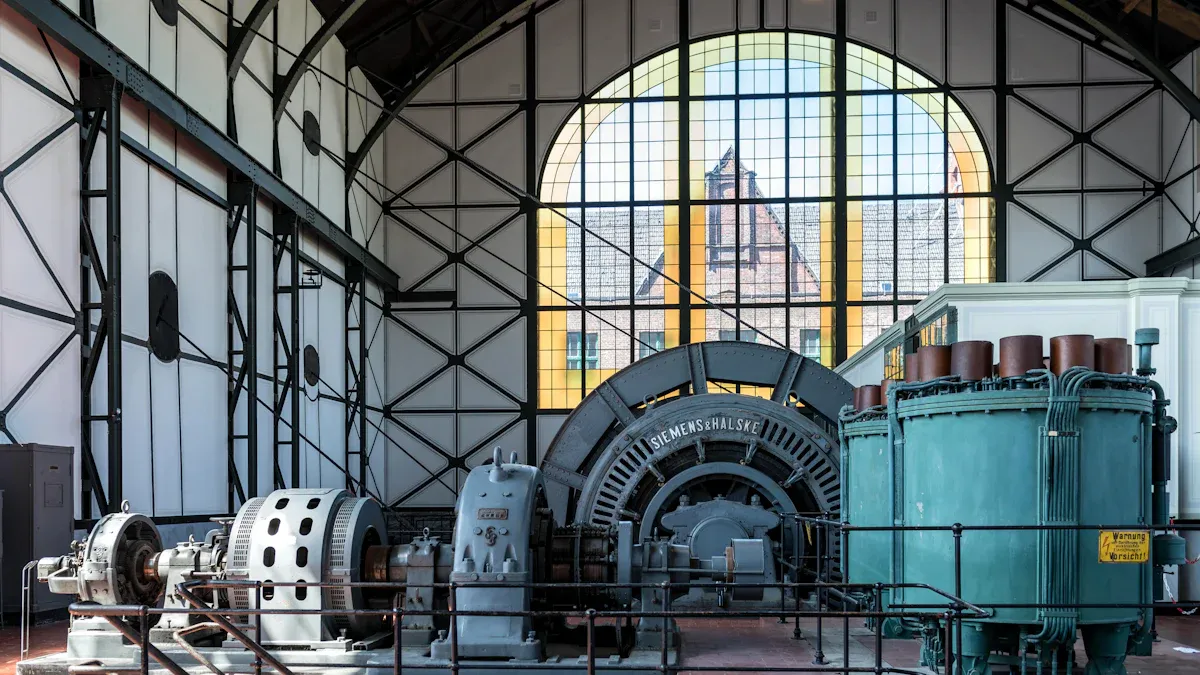
You should always check the age and total operating hours of a generator before making a purchase. Older generators and those with high running hours often show more signs of wear. Research shows that as generators age, their efficiency drops and maintenance costs rise. For example:
A study using a Wiener degradation model found that after six years, aging generators can see an 8% increase in energy not supplied and a 12% rise in operation and maintenance costs.
Different generators age at different rates, depending on how they are used and maintained.
Ignoring age and hours can lead to underestimating future costs and reliability issues.
Tip: Always ask for hour meter readings and compare them to the generator’s expected lifespan. This helps you plan for future repairs and replacements.
Physical Inspection
A thorough physical inspection helps you spot problems early. You should look for leaks, cracks, and damage on fuel lines, hoses, belts, and connections. Check fluid levels and quality, including oil, coolant, and fuel. Inspect the battery and electrical systems for corrosion and loose connections. Examine the cooling system, especially the radiator, to prevent overheating. Review the fuel system for clean lines and working filters.
Use a checklist to make sure you do not miss any steps.
Load bank testing can simulate real working conditions and reveal hidden issues.
Digital tools like SafetyCulture help document inspections and keep records organized.
Regular inspections prevent unplanned downtime and extend the generator’s life. Monitoring diesel fuel quality also keeps the generator ready for peak performance.
Wear & Tear
Wear and tear affect every used generator. You can measure wear by checking engine oil for metal particles. Oil analysis reports show typical wear patterns:
Parameter | Description | Typical Value/Range |
|---|---|---|
Engine Working Hours | Total run time | |
Iron (Fe) in Oil | Main wear metal indicator | Mean: 23.72 ppm, Outliers >1400 |
Oil Viscosity | Lubrication quality | Mean: 17.35 cSt, SD: 1.83 |
Particle Quantifier | Particle count in oil | Mean: 35.99 |
High levels of iron, chromium, or copper in the oil signal increased engine wear. These numbers help you decide when to change oil or schedule repairs. Advanced testing methods, like FTIR and machine learning, can give even more accurate results.
Early detection of wear saves money and prevents unexpected breakdowns.
Testing
Load Test
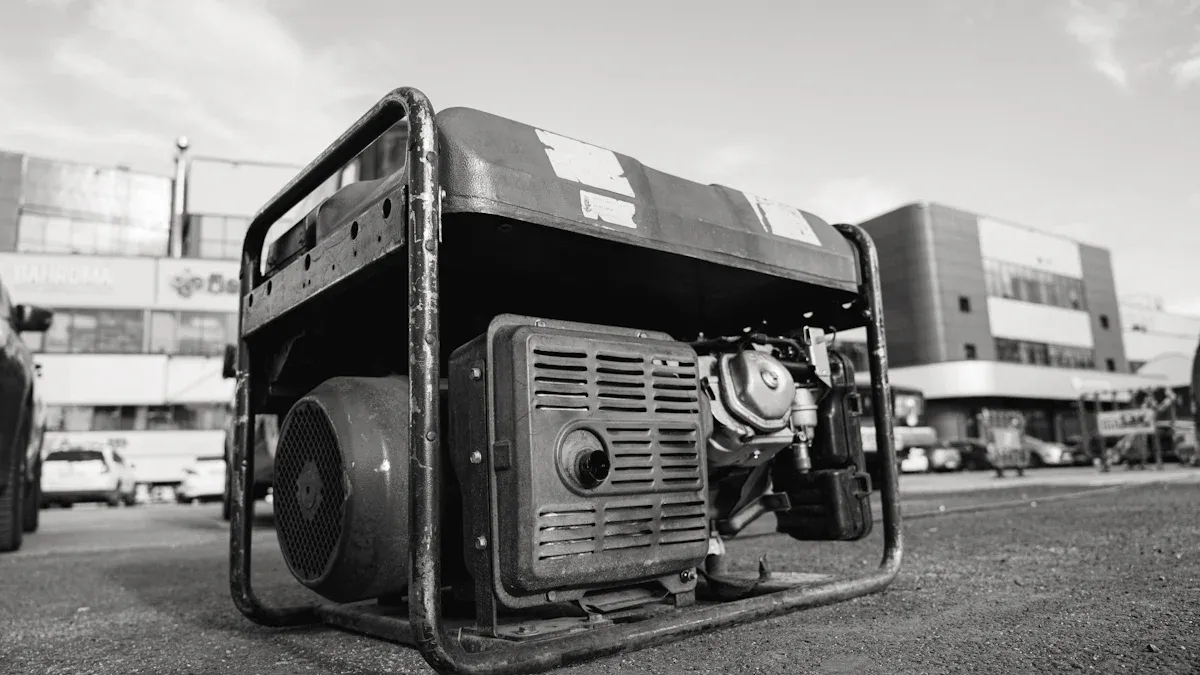
You need to perform a load test before you buy any generator. This test shows if the generator can handle real-world power demands. Follow a structured process to get accurate results:
Prepare the test environment. Document all resource baselines and set up cleanup checkpoints.
Use consistent configurations. Infrastructure-as-Code tools help you repeat tests without errors.
Run the test. Start with a warm-up, then increase the load step by step. Monitor performance and log any errors.
Analyze the results. Compare the data to set thresholds for response time, throughput, and error rates.
Clean up after the test. Remove temporary resources and record the final state.
A well-done load test helps you spot problems early and ensures the generator meets your needs.
Power Output
You should always check the power output of the generator. Calculate your total power needs in kilowatts (kW) and kilovolt-amperes (kVA). For example, a retail store may need 50 kW plus 10 watts per square foot. A business might require 30 kW plus 5 watts per square foot. Look at the load factor to see how efficiently the generator uses energy over time. Key benchmarks include kW, kVA, power factor (usually 0.8 for industrial units), voltage, frequency, phase type, and amperage. These numbers show if the generator can support your equipment and run efficiently.
Always match the generator’s output to your actual load to avoid overloads or wasted fuel.
Operational Check
You should complete a full operational check to confirm reliability. This process includes:
Inspecting the generator, controls, and enclosure
Topping off engine fluids
Changing oil and filters
Testing the battery
Lubricating moving parts
Checking the cooling system
Cleaning the generator
Exercising the engine
Many experts use a 31-point inspection process to cover all areas. These steps help you find hidden issues and keep the generator running smoothly.
Regular operational checks reduce the risk of breakdowns and extend the life of your equipment.
Used Doosan Series Diesel Generator Set Fit
Sizing
Choosing the right size for your Used Doosan Series Diesel Generator Set is essential for reliable performance and cost control. You must match the generator’s capacity to your actual power needs. Start by listing all equipment and systems that will run on the generator. Calculate both the average and peak loads. Consider if you need the generator for standby, prime, or continuous use. Each rating supports different run hours and overload capabilities.
Understand your application type. Isolated operations, like remote sites, have different needs than grid-connected systems.
Use generator set sizing calculators to help match the generator to your load.
Check the load factor. This shows how much of the generator’s capacity you use on average.
Plan for future growth. Oversizing wastes fuel, but undersizing risks overloads and failures.
Review space and portability needs. Some sites require compact or towable units.
Tip: Always inspect and test a used generator before purchase. Make sure it meets industry standards and can handle your required load.
Features
Modern generators offer a range of features that improve performance, safety, and ease of use. When you evaluate a Used Doosan Series Diesel Generator Set, compare the available features to your operational needs. Look for automation, advanced control panels, and safety systems.
Feature / Aspect | DFIGs (Doubly-Fed Induction Generators) | PMSGs (Permanent Magnet Synchronous Generators) | |
|---|---|---|---|
Control System Complexity | Low | Moderate to High | High |
Initial Investment Cost | Low | Moderate to High | High |
Harmonic Distortion Impact | None | Moderate | High |
Power Quality Considerations | Basic | Sensitive to grid issues | Sensitive, uses PWM for quality |
Application Suitability | Isolated, small loads | Grid-connected, frequency regulation | Grid or hybrid systems |
Fuel Efficiency and Emissions | Basic | Improved with controls | Improved with controls |
You should also check for:
Automatic transfer switches for seamless power changeover.
Remote monitoring and diagnostics.
Noise reduction features for sensitive environments.
Safety shutdowns for low oil pressure or high temperature.
Advanced features can improve reliability and reduce manual intervention. Choose features that match your site’s needs and staff skills.
Fuel Efficiency
Fuel efficiency directly affects your operating costs and environmental impact. The type of Used Doosan Series Diesel Generator Set, its size, and its features all play a role in how much fuel you use. Diesel generators often provide better fuel efficiency for heavy loads and long run times. However, you must consider the specific application and load profile.
Different fuel types, such as diesel, natural gas, or propane, offer unique benefits and drawbacks.
Portable generators use more fuel per kilowatt than large standby units.
Inverter and hybrid models can adjust output to match demand, saving fuel during low-load periods.
Noise levels and emissions also vary by generator type and size.
A scientific study on generator sizing and fuel efficiency found that balancing size, features, and load leads to the best economic and technical results. Oversized generators waste fuel and increase costs. Undersized units risk overload and early failure. The right fit maximizes performance and minimizes expenses.
Always review the generator’s fuel consumption rates at different loads. Ask for recent fuel efficiency test results if available.
Warranty & Cost
Warranty Options
You should always ask about warranty coverage when you buy a Used Doosan Series Diesel Generator Set. Some suppliers offer limited warranties, while others provide extended coverage for major components. A warranty can protect you from unexpected repair costs. You need to check what the warranty covers, such as the engine, alternator, and control panel. Ask if the warranty includes labor or only parts.
Tip: Get all warranty details in writing before you make a purchase. This helps you avoid confusion later.
Support
Reliable support makes a big difference in your ownership experience. You want a supplier who offers technical help, spare parts, and troubleshooting advice. Good support means you can solve problems quickly and keep your generator running.
Ask if the supplier has a 24/7 support line.
Check if they provide on-site service or remote assistance.
Find out how fast they can deliver replacement parts.
A supplier with strong support gives you peace of mind. You can focus on your business, not on fixing equipment.
Total Cost
You need to look beyond the sticker price when you buy a generator. The total cost includes the purchase price, shipping, installation, fuel, maintenance, and repairs.
Cost Factor | What to Consider |
|---|---|
Purchase Price | Initial cost of the generator |
Shipping | Delivery to your location |
Installation | Setup and connection fees |
Fuel | Ongoing operating expenses |
Maintenance | Regular service and parts |
Repairs | Unexpected breakdowns |
You should compare the total cost of different options. Sometimes a lower-priced generator costs more in the long run because of higher fuel use or frequent repairs.
Always calculate the total cost before you decide. This helps you choose the best value for your needs.
When you evaluate a Used Doosan Series Diesel Generator Set, you protect your investment by following a clear process. Check the supplier’s credibility, review maintenance records, and inspect the equipment closely. Experts agree that due diligence, such as site visits and quality audits, lowers long-term risks. Always compare total costs and ask questions. If you feel unsure, reach out to trusted dealers or industry professionals for guidance.
FAQ
What documents should you request when buying a used Doosan generator?
Always ask for service records, repair logs, and proof of ownership. These documents help you verify the generator’s history and maintenance.
How can you check if a used generator meets your power needs?
List all equipment you plan to run. Add up their power requirements in kilowatts (kW). Compare this total to the generator’s rated output.
Use a sizing calculator for accuracy.
Is it safe to buy a used generator without a warranty?
You take a risk if you buy without a warranty. A warranty protects you from unexpected repair costs.
Tip: Always ask for written warranty details before you buy.
How often should you service a used Doosan diesel generator?
You should follow the manufacturer’s guidelines. Most experts recommend servicing every 250 to 500 hours of use.
Regular checks keep your generator reliable and safe.

 English
  Portuguese (Portugal)
  Russian
  Arabic
  Portuguese (Brazil)
  Vietnamese
  Spanish
  Estonian
  Bulgarian
  Italian
  Indonesian
  French
  Turkish